My Top Tip As A Fantasy Author
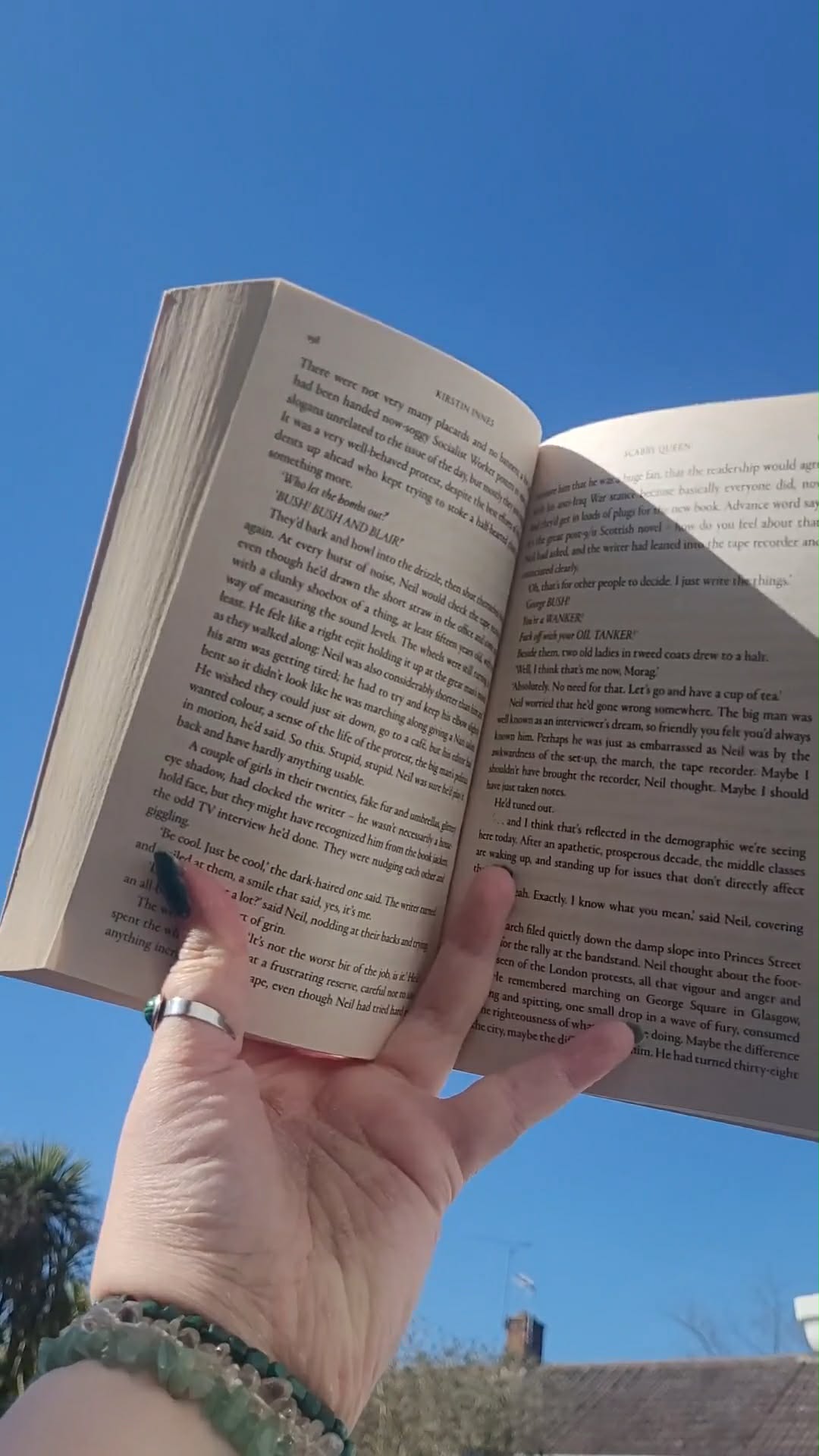
In 2019, I graduated with a degree in Creative and Professional Writing, and then didn’t read a “proper” book for pleasure again until 2022. Crazy, I know. Especially given the fact that the lockdowns encouraged hobbies for homebodies, such as reading. Despite the explosive world of BookTok on my doorstep, I kept myself furrowed away, reading fanfiction, lovingly penned by people who shared the same passion for the same media I did. Any remaining free time was dedicated to writing my own stories.
Even as I was struck by an idea for a book that would take over my life for years to come back in 2021, I still found myself unable to open the first page of a published novel. Despite the teachings of my degree, which encouraged reading, especially in areas reminiscent of what you were writing, these teachings fell on deaf ears in someone who had read perhaps too much during the final push of her dissertation and had become disillusioned with reading. This was the bane of my existence for years.
When I finally broke my literary fast, it was 2022, and I was surrounded by four hyperactive six-week-old puppies, seeking an escape. I ordered a £5 copy of a BookTok darling: ‘The Song Of Achilles’ by Madeline Miller and started it on an hour-long commute, and couldn’t put it down. It was a perfect gateway back into the literary world.
I was back to reading with a vengeance, while editing the book I started in 2021, and returned to the teachings of my degree: primarily the practice of reading like a writer. Reading like a writer, as a concept, is the process of being able to dissect decisions made by a writer in their published work and appreciate the mechanics and their impact on the manuscript and readers. So, with that in mind, I sought out titles from the genre of my novel: fantasy.
Have you ever heard writers say that the key to writing well is reading? That is, partly because of this principle. By reading books within your genre, you learn through osmosis, passively taking in tropes and popular ideas, but unpicking what makes the story work allows you to acknowledge what works and assess whether it could work in your manuscript. By reading a wider range of literature, you can learn other tips, tricks and skills that you wouldn’t necessarily find by reading strictly one type of book. Reading like a writer makes things clearer in an objective sense, and, in my experience, helped with editing my book. I was out of practice when I re-entered the fray of reading published novels.
While, at the time of writing this, I have currently not necessarily read some of the “classic” books in the genre, by authors like Pratchett or Tolkien, or even newer prolific authors like Brandon Sanderson. But, as of 1st June 2026, I had read eighty-three fantasy books, some of which I liked more than others. My TBR grows exponentially on a daily basis.
I had not had an idea that swept me off my feet the same way my last book did until earlier in 2026, when I was bitten by the writing bug again and dove into a draft with gusto. Writing a first draft is never going to be perfect or easy. Yet, as I went ahead with this draft, I found myself implementing techniques that I learned through reading widely within my chosen genre, such as dabbling in split narration, dramatic irony and exploring different stylistic methods to implement the miscommunication trope, without putting much thought into why. Whether these ideas and methods I have implemented in early drafts remain present in later drafts remains to be seen. But, by reading, analysing and learning, I am now able to do without doubting my skills, proficiency or whether the work has been done effectively.
Writing is a process, but as someone who is now writing her second fantasy novel, I can safely say that my confidence in my craft has grown significantly since returning to published fiction, and reading like a writer.
 Imogen L. Smiley